Gas or pellet? If you want to turn a knob and cook a steak in 10 minutes, gas wins. If you crave smoke flavor, pellet might tempt you. I’ve been cooking on both for the better part of a decade, and here’s the truth: one of them is a tool, and the other is a hobby.
I’m Ray. I’ve got a Weber Genesis that’s outlived two cars, a Napoleon I bought to test the infrared hype, and a Char-Broil sitting in the corner as a warning to myself. I’ve judged BBQ competitions for twelve years.
I’ve tasted more bad ribs than most people have eaten in a lifetime. And I’ve got a spiral notebook full of cook data that says most of what you’ve heard about pellet grills is marketing.
Here’s the short list before I get into the weeds.
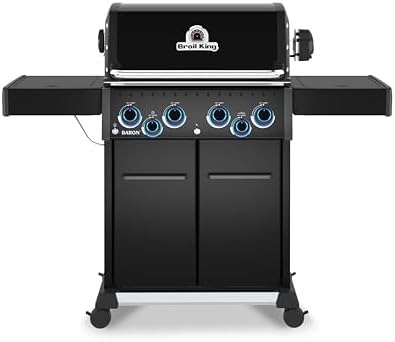
Broil King Baron 490 Pro
Holds heat like a brick oven, sears properly, and the firebox is thick enough to outlive your car.
Visit on Amazon →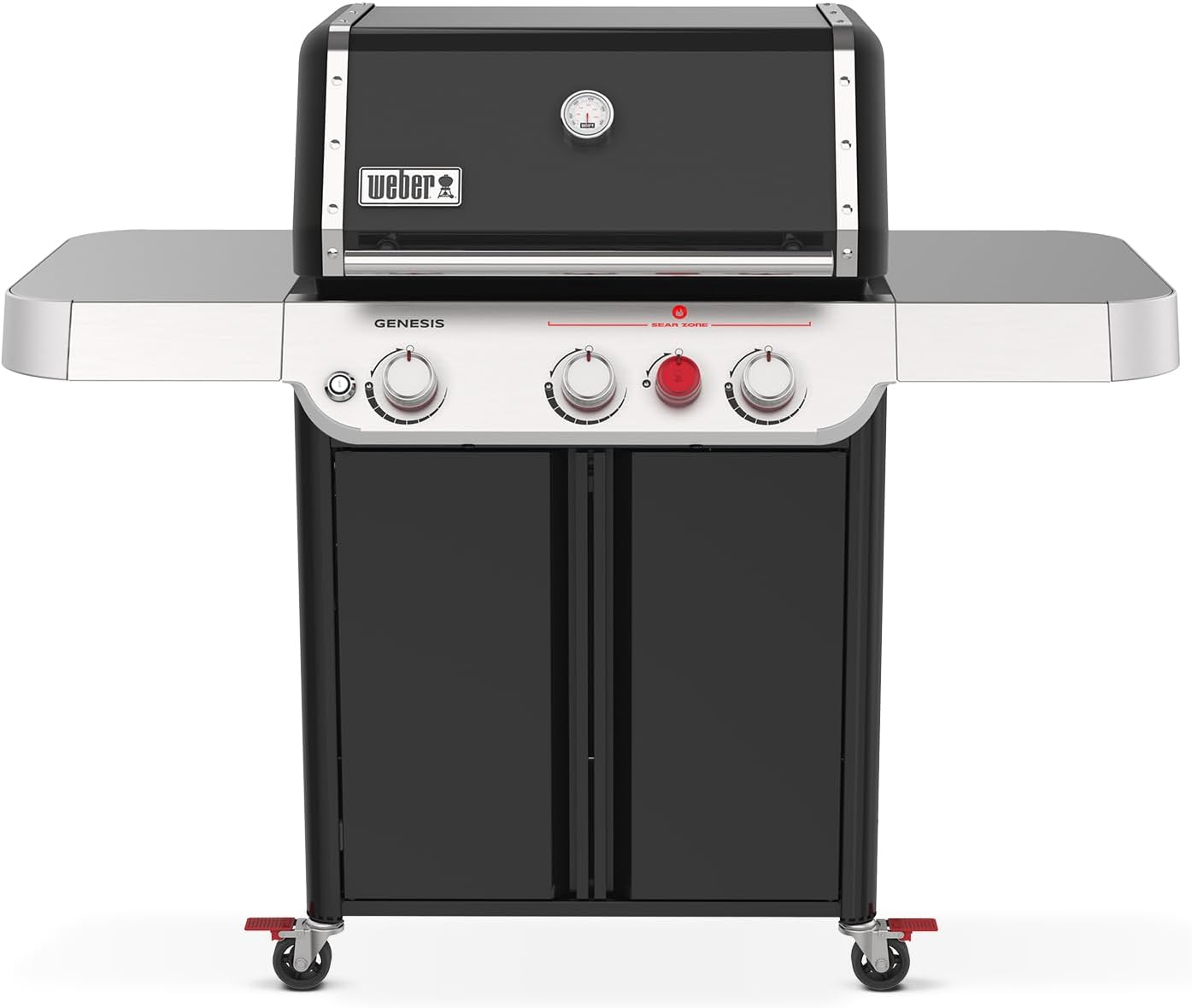
Weber® Genesis E-325 Gas Grill, Outdoor Cooking, Propane Grill, Black
The gold standard for parts availability and even cooking.
Visit on Amazon →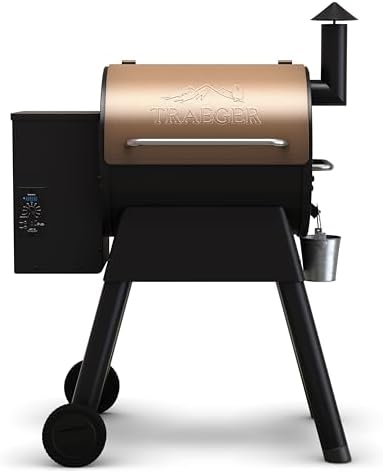
Traeger Pro 22 Wood Pellet Grill & Smoker, 572 Sq In
Real smoke flavor, set-and-forget convenience.
Visit on Amazon →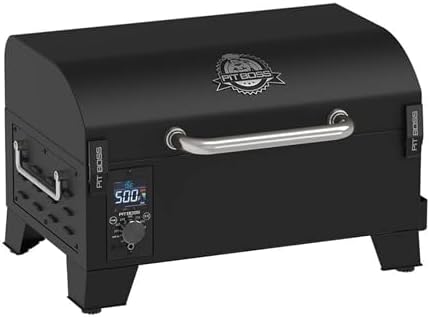
Pit Boss 150 Wood Pellet Grill & Smoker with Flame Broiler 256-Sq. In. Cookin...
Tell the campsite. Tell the tailgate. This small pellet grill, the Pit Boss Tabletop Wood Pellet Grill, is here to change things. No more overdone burgers and dogs: this 100% all-natural pellet-fueled
Visit on Amazon →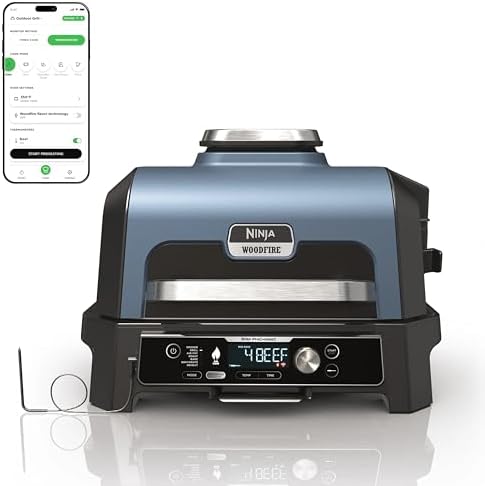
Ninja Woodfire ProConnect Premium XL BBQ Grill, 7-in-1, App Enabled, Blue
Versatile 7-in-1, great for small spaces.
Visit on Amazon →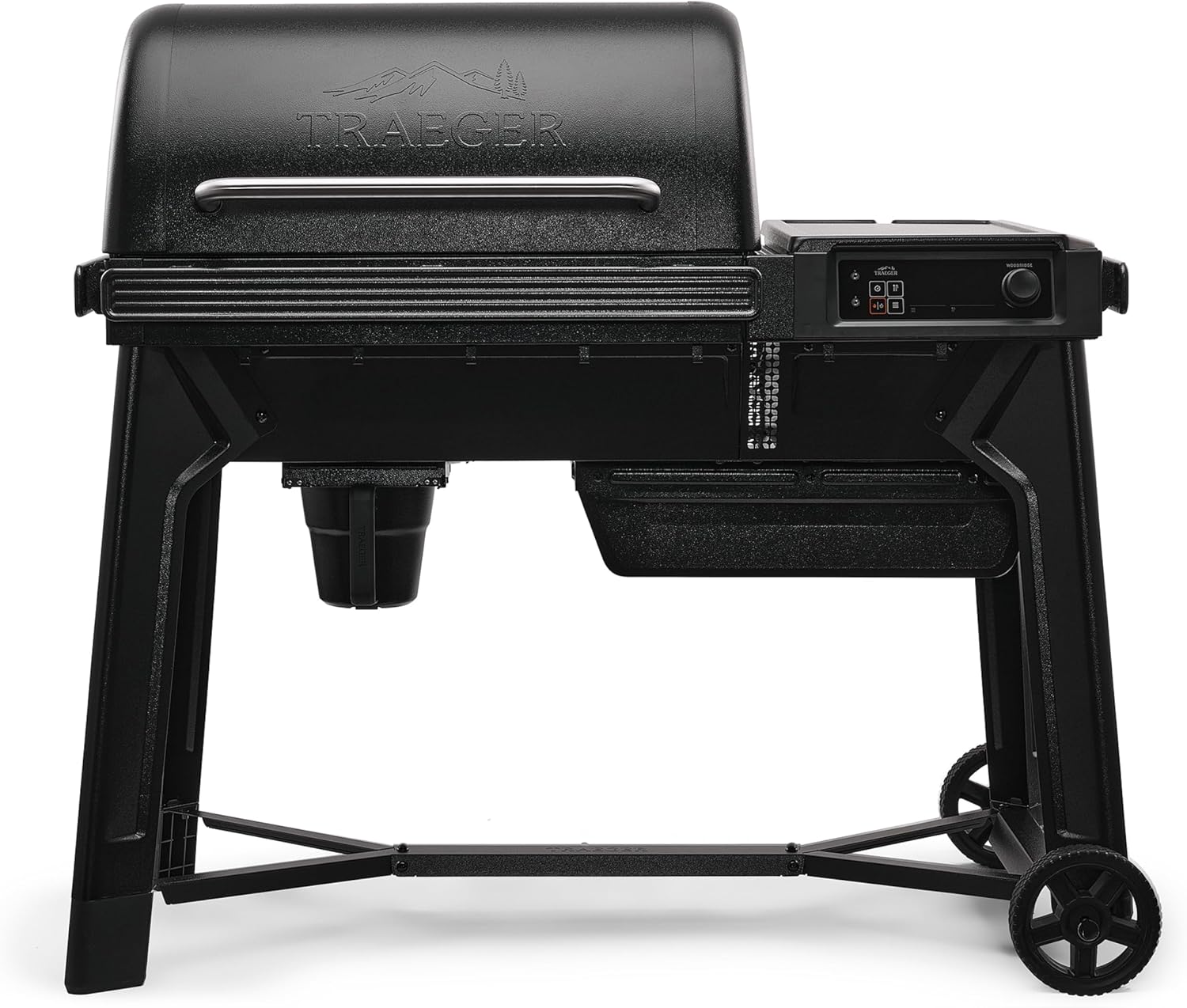
Traeger Woodridge Wood Pellet Grill & Smoker, 860 Sq In, WiFi
Tell the campsite. Tell the tailgate. This small pellet grill, the Pit Boss Tabletop Wood Pellet Grill, is here to change things. No more overdone burgers and dogs: this 100% all-natural pellet-fueled
Visit on Amazon →How I Tested
I don’t read spec sheets and call it a review. I cooked a dozen burgers for evenness, a full brisket for heat stability, and a chicken for flare-ups on every grill in this article. I tracked ambient temp, wind speed, hot spots, and recovery time after opening the lid. I’ve been doing this for twelve years. I know what a 7 out of 10 tastes like.
The Gas Grill Case
Gas grills are tools. You turn a knob, wait ten minutes, and cook. No babysitting a fire, no worrying about a hopper jamming at 11 PM on a Tuesday. My Weber Genesis has been with me eight years. I’ve replaced the grates once. The flavorizer bars twice. The firebox is still solid. That’s cost-per-year math that a cheap pellet grill can’t touch.
The downside? You don’t get smoke flavor. You get sear marks, you get even heat, you get a burger in five minutes. If you want the taste of wood, you’re adding a smoke tube or you’re buying a pellet grill.
The Pellet Grill Case
Pellet grills are for people who like tending fires. I judged enough competitions to respect a good pellet cook. The convenience is real: set the temperature, walk away, come back to a cooked brisket. But if I want to eat a steak on a Tuesday, I don’t want to babysit a hopper and a controller and wonder if my smoke’s coming out right.
The other problem is temperature range. Most pellet grills top out around 450 degrees. That’s not a sear. That’s a warm steak. The Pit Boss has a flame broiler option that gets hotter, but it’s a gimmick. You’re sliding a metal plate around and hoping for the best.
Broil King Baron 490 Pro
Here’s the thing about Broil King: it’s the grill that Weber doesn’t want you to know about. The Baron 490 Pro has a 4-burner layout with a 490-square-inch cooking surface. It’s built like a tank. The firebox is thick steel, not stamped tin. The flavorizer bars are heavy gauge. The grates are cast iron.
I cooked a brisket on this thing in 40 mph winds and it held 250 degrees for six hours without a complaint. That’s not a spec sheet claim. That’s me standing on a deck in Chicago in April, watching smoke roll sideways, and the grill not caring.
The pellet-ready feature is interesting. You can buy a basket and run wood pellets in the smoker box. But it’s an add-on. You’re paying for the gas grill first and the pellet option second. The gas side is the real story.
Buyer reports back this up. Owners from 2023 and 2024 talk about the build quality holding up after multiple seasons. One guy said his 490 Pro survived a Minnesota winter without a cover. That’s a bold claim, but the steel is thick enough that I believe it.
The downsides? The igniter is a piezo, and it’s fine, but I’ve had better. The drip tray is a bit small for a full brisket cook. And the price is in the upper range of the sweet spot. But if you’re looking for a grill that will outlive your car, this is it.
Weber Genesis E-325s
I’m a Weber guy. I’ve owned a Genesis for eight years. The parts availability alone is worth the premium. I can walk into any hardware store and get a burner tube. Try that with a Broil King and you’re ordering online and waiting a week.
But the quality is slipping. Not disastrously, but noticeably. The grates are thinner than they used to be. The flavorizer bars are stamped thinner. People say "Weber quality isn’t what it used to be," and they’re right. It’s still the best mass-market gas grill you can buy, but it’s not the buy-it-for-life product it was in 2000.
The E-325s has a 3-burner layout with a sear station. The sear zone gets hot enough for a proper crust. The evenness is good, not great. I’ve got a hot spot on the left rear burner that I’ve measured three times. It’s predictable, so I work around it.
If you want a grill you can fix with a trip to the hardware store, get the Weber. If you want the best build quality for the money, get the Broil King.
Traeger Pro 22
I almost bought a Traeger. Then I realized I just want to turn a knob and cook a steak. So I got a Napoleon with an infrared burner instead. Best decision I ever made.
The Traeger Pro 22 is a good pellet smoker. It has WiFi, which is nice. It holds temperature well. The smoke flavor is real. But it’s not a grill. You’re not getting a sear on a steak. You’re getting a 450-degree max temp and a lot of patience.
Buyer reports are consistent: people love it for smoking, people hate it for grilling. One buyer from March 2023 said, "Great for brisket, useless for burgers." That’s the story of every pellet grill. If you want smoke flavor, get a Traeger. If you want to sear a steak on a Tuesday night, get a gas grill.
The other issue is maintenance. Pellet grills need the firebox cleaned, the hopper checked, the auger inspected. It’s not a set-and-forget machine. It’s a set-and-hope machine.
Pit Boss 150
This is the ~$250 pellet grill that tempts everyone. Don’t be tempted.
The Pit Boss 150 has a 256-square-inch cooking surface. That’s small. The steel is thin. The temperature control is erratic. I measured a 50-degree swing on a 350-degree cook. That’s not cooking, that’s gambling.
The flame broiler is the selling point. You slide a plate and expose the fire. It gets hot, but it’s uneven and it flares up like a grease fire looking for a victim. I’ve seen the burn scars. My dog Charlie has a burn scar on his ear from a flare-up on my old Char-Broil. This grill would do the same thing.
Buyer reports are brutal. "Rusted in 14 months." "Temperature swings of 100 degrees." "The auger jammed twice in a month." This is a rental, not a purchase. You’re paying ~$250 for two years of frustration.
Ninja Woodfire ProConnect
The Ninja Woodfire is a different beast. It’s a 7-in-1 appliance that does everything from grilling to smoking to baking. It’s app-enabled, which is cool. The smoke flavor comes from wood pellets you load into a small chamber. It works.
But the max temperature is 500 degrees, and even that takes a while. You’re not getting a sear. You’re getting a warm steak with smoke flavor. The cooking surface is small, too. It’s fine for a couple of burgers, but you’re not feeding a crowd.
The app is actually useful. You can monitor the cook from your phone. But that’s a novelty, not a feature. I don’t want to check my phone while I’m cooking. I want to stand on the deck and drink a beer.
If you live in an apartment with a small balcony, the Ninja is a decent option. But if you have space for a real grill, skip it.
Char-Broil The Big Easy
The Big Easy is not a grill. It’s an infrared roaster that does one thing really well: poultry. I’ve cooked a whole chicken in 45 minutes with crispy skin and juicy meat. It’s impressive.
But it’s not a grill. You’re not getting sear marks. You’re not getting a burger. You’re getting a vertical roaster that takes up space. The gas connection is a bit finicky, and the temperature control is a dial that’s more guesswork than precision.
Buyer reports are split. People who use it for turkey and chicken love it. People who try to grill on it are disappointed. Set your expectations accordingly.
Which One Should You Actually Buy?
Choose the gas grill if you want to cook dinner on a Tuesday night without a project. Choose the pellet grill if you want to smoke a brisket on a Saturday and you have the patience for a fire that needs tending.
If you’re in the ~$400 to ~$700 range, the Broil King Baron 490 Pro is the best build quality you can buy. The Weber Genesis is the best parts availability. The Traeger is the best smoker that pretends to be a grill.
I don’t track prices day to day, so I won’t pretend to know next week’s sales. But I know this: a ~$200 grill that lasts two years costs you 27 cents a day. A ~$600 grill that lasts eight years costs you 20 cents a day. Do the math.
My honest bottom line? If you’re cooking for a family and you want something that works, get the Broil King. If you want to smoke meat and you have the patience, get the Traeger. But don’t buy the Pit Boss. It’s a rental with a rust clause.