I've cooked more steaks on gas grills than I can count. Ribeyes, strips, filets, a tomahawk that barely fit under the lid. I've done it on a rusted Char-Broil in my twenties and on my 8-year-old Weber Genesis that I've rebuilt twice. This is the method that works.
The best way to grill a steak on a gas grill is to stop treating it like a charcoal grill. You're not chasing smoke. You're chasing a crust and a center. That means two zones, a hot grate, and a thermometer you trust, not the one bolted to the lid.
Here's the whole process, from buying the meat to slicing it. No fluff.
The Setup
This starts before you turn a knob. You need a clean grate. I scrape mine with a brass brush while it's still warm from the last cook. A dirty grate sticks, and a sticking grate tears the crust right off a ~$15 ribeye.
You also need the right tools. A decent instant-read thermometer is non-negotiable. I own seven. You need one. The ThermoPop is what I hand to friends who ask. It's fast, it's accurate, and it costs less than a bad steak. The lid thermometer on your grill is a decoration. I've said it for years. It's still true.
The Fire
Turn all burners on high. Close the lid. Let it run for 15 minutes. Not 5. Not 10. Fifteen. You want the grates ripping hot, not just the air.
Here's the part most people screw up. After those 15 minutes, you're going to turn off half the burners. You don't cook a thick steak over direct heat the whole time. You sear it over the hot side, then you move it to the cool side to finish. That's how you get a crust without a gray band running through the middle.
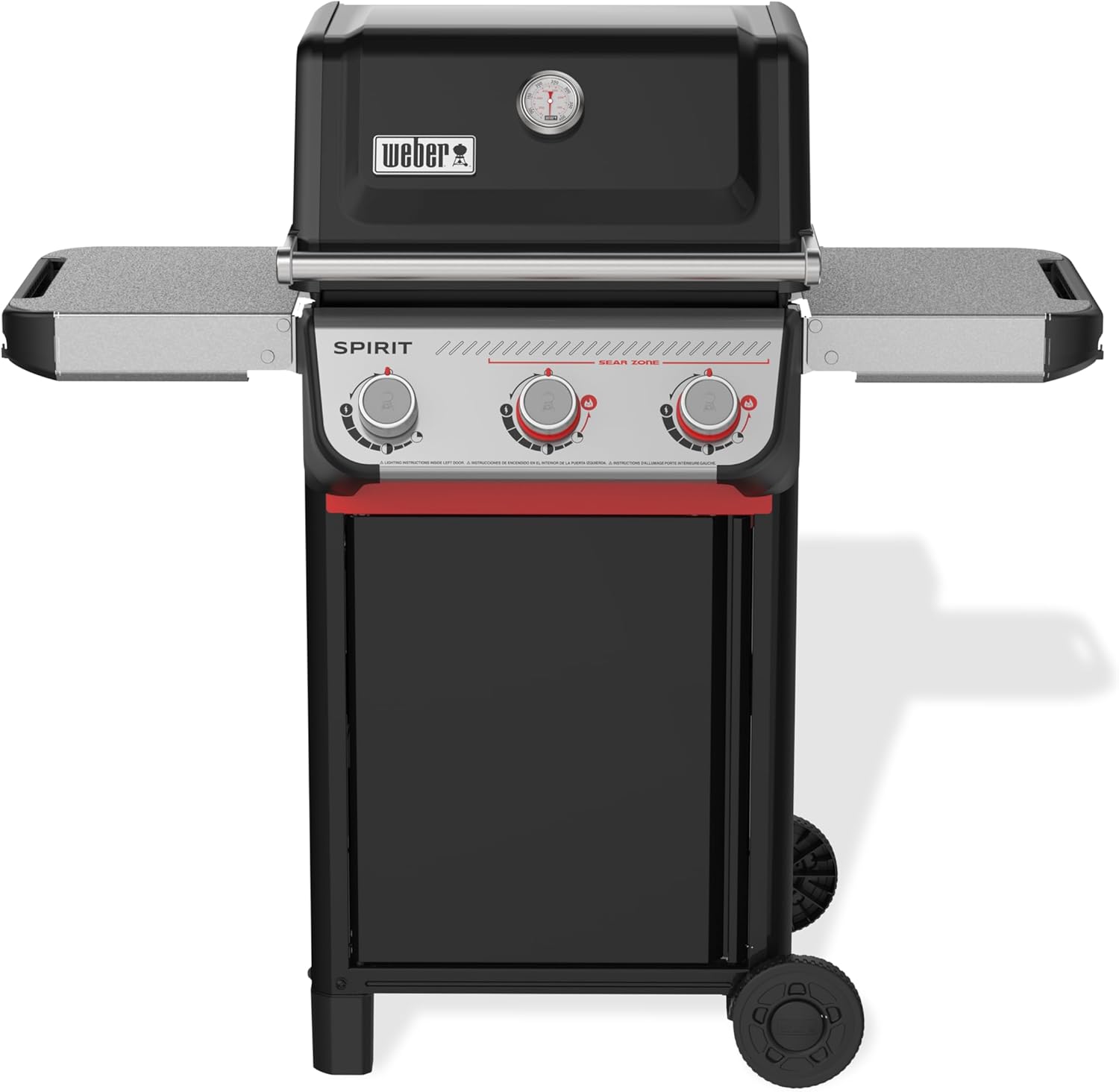
My Genesis has three burners. I run all three for the preheat, then kill the middle one. Left side is nuclear. Right side is warm. That's my setup. On a two-burner grill like the Weber Spirit II E-210, you run both, then kill one. Same idea.
The Steak
Take the steak out of the fridge 45 minutes before it hits the grate. Cold meat sears unevenly. The center stays cold while the outside burns. I pat mine dry with paper towels before seasoning. Wet surface steams, and steam is the enemy of a crust.
Salt it. Generously. Kosher salt, not table salt. That's it. Pepper goes on after the cook, because pepper burns and turns bitter over high heat. If you want to get fancy, a little garlic powder in the salt works. That's the whole rub.
The Cook
Oil the grate, not the steak. I use a paper towel folded up, dipped in canola oil, held with tongs. One quick pass over the hot side. Then the steak goes down.
Here's the sound you want. A hard sear. If it's not sizzling loudly enough to make you wince, the grate isn't hot enough. Leave it alone. Do not touch it. Do not flip it. Do not press on it with a spatula. That's how you squeeze out the juices and ruin the crust. Two to three minutes, then flip.
Sear marks are pretty, but they're not the goal. The goal is an even crust. I move the steak around after the first flip to hit the spots the grates didn't touch. If you want those crosshatch marks, rotate the steak 45 degrees after a minute on each side. I don't bother. I want maximum crust, not a geometry lesson.
After the sear, move it to the cool side. Close the lid. This is where the thermometer earns its keep. For a 1.5-inch ribeye, I pull it at 125°F for medium-rare. The temp will climb another 5 degrees while it rests. A thinner steak, say 1 inch, might be done right after the sear. That's why you need the probe.
Let me be clear about doneness temps because the internet is full of bad advice. 120°F is rare. 125°F is medium-rare. 130°F is medium. 135°F is medium-well. 140°F and up is a hockey puck. I pull mine at 125°F and let it rest.
The Rest
This is not optional. I don't care how hungry you are. A steak needs to rest or the juices run out onto the cutting board instead of staying in the meat.
Five minutes minimum. I do seven for a thick steak. Loosely tent it with foil. Don't wrap it tight or you'll steam the crust off. Put it on a warm plate, not a cold one.
The Cut
Slice against the grain. That's the direction of the muscle fibers. Cutting across them shortens the fibers, which makes the meat more tender. Look at the steak, find the lines, cut perpendicular to them.
I use a sharp chef's knife, not a serrated bread knife. A clean cut keeps the juices in. Sawing back and forth shreds the meat.
The Tools
I mentioned the thermometer. Here's the rest of what I actually use.
A reliable instant-read thermometer is essential. I use the ThermoPop—accurate and fast.
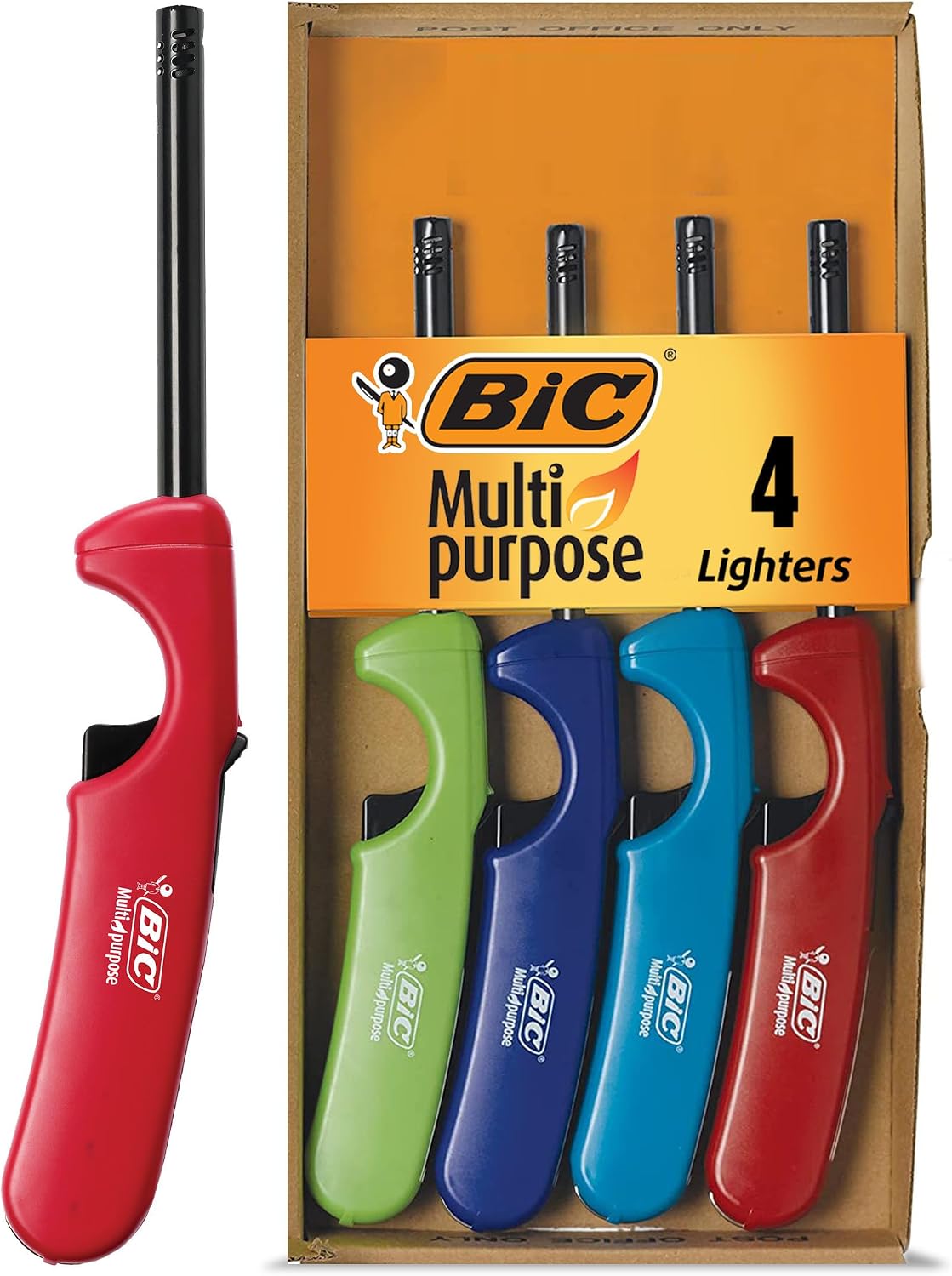
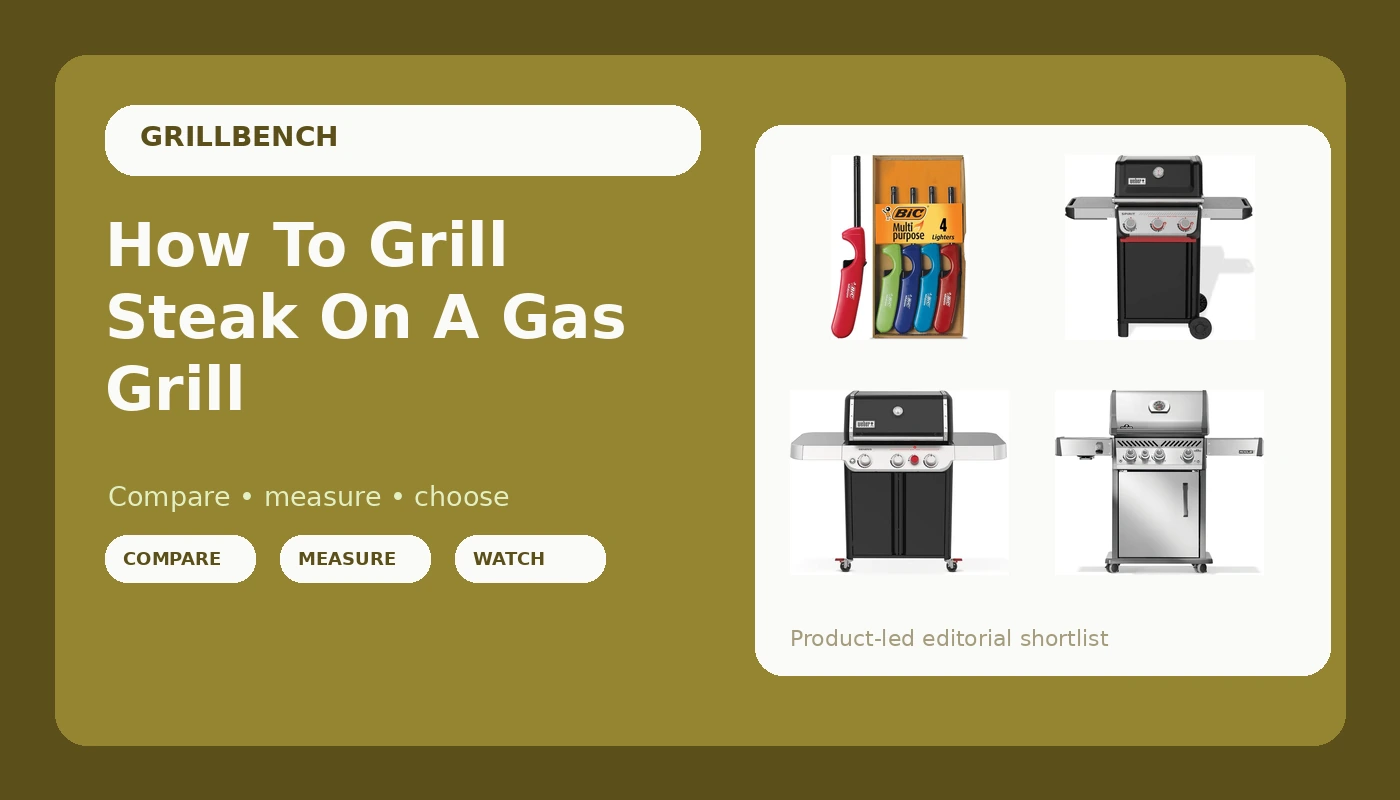
The Burn-Off is what you do after the cook. Crank all burners to high, close the lid, let it run for 15 minutes. That burns off the grease and food residue. It's the easiest way to keep a gas grill clean. I do it after every cook. That's why my 8-year-old Genesis still looks decent.
The Problems
Let me tell you what goes wrong, because it will go wrong.
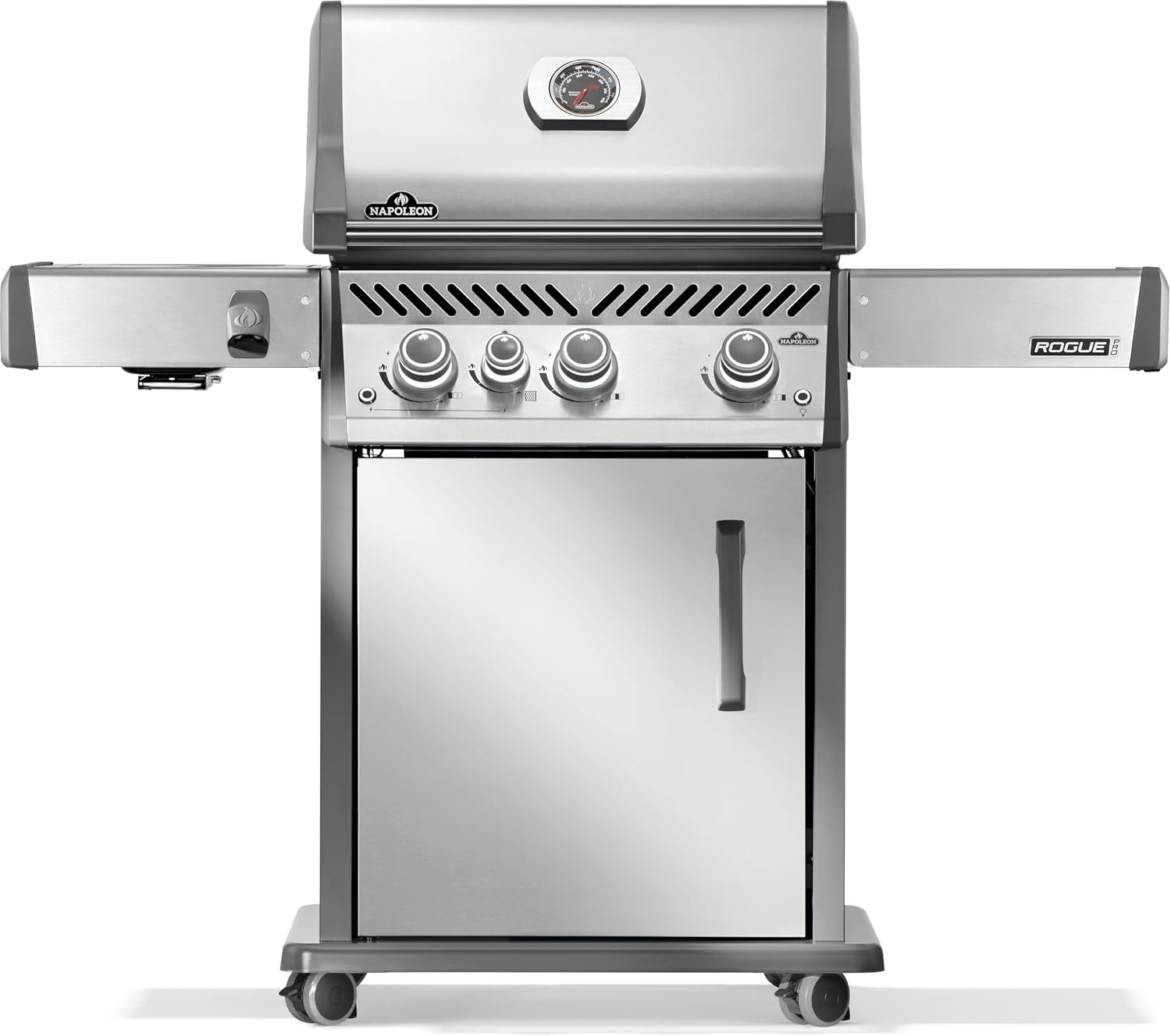
Flare-ups. When the fat renders and hits the flames, you get fire. A little flame is fine. A column of fire that singes your eyebrows? That's a problem. My Napoleon Rogue with the infrared sear burner handles this better than anything I've tested, but the Weber Spirit II E-310 is no slouch either.
The fix is simple. Move the steak to the cool side. Don't spray water on a grease fire. That makes it worse.
Uneven heat. Every grill has hot spots. I've mapped a dozen of them. My Genesis runs hot on the left rear. The front right is a dead zone. Learn yours. That's why I cook a dozen burgers on every grill I test. You should do the same. It takes one cook and you'll know your grill forever.
Thin steaks. A 1-inch strip steak will be done after the sear. You don't need the two-zone setup for thin cuts. Just sear it hard, check the temp, and pull it. Overthinking a thin steak turns it into shoe leather.
The Grill Question
The method is the same on any gas grill. The gear matters for consistency, not for the technique.
I've tested the budget end. A ~$200 Char-Broil will cook a steak fine on a Tuesday night. It'll also rust out in two winters. That's the trade. The firebox is the first thing to go. I've lived it. My first grill dissolved after two seasons in a Chicago winter.
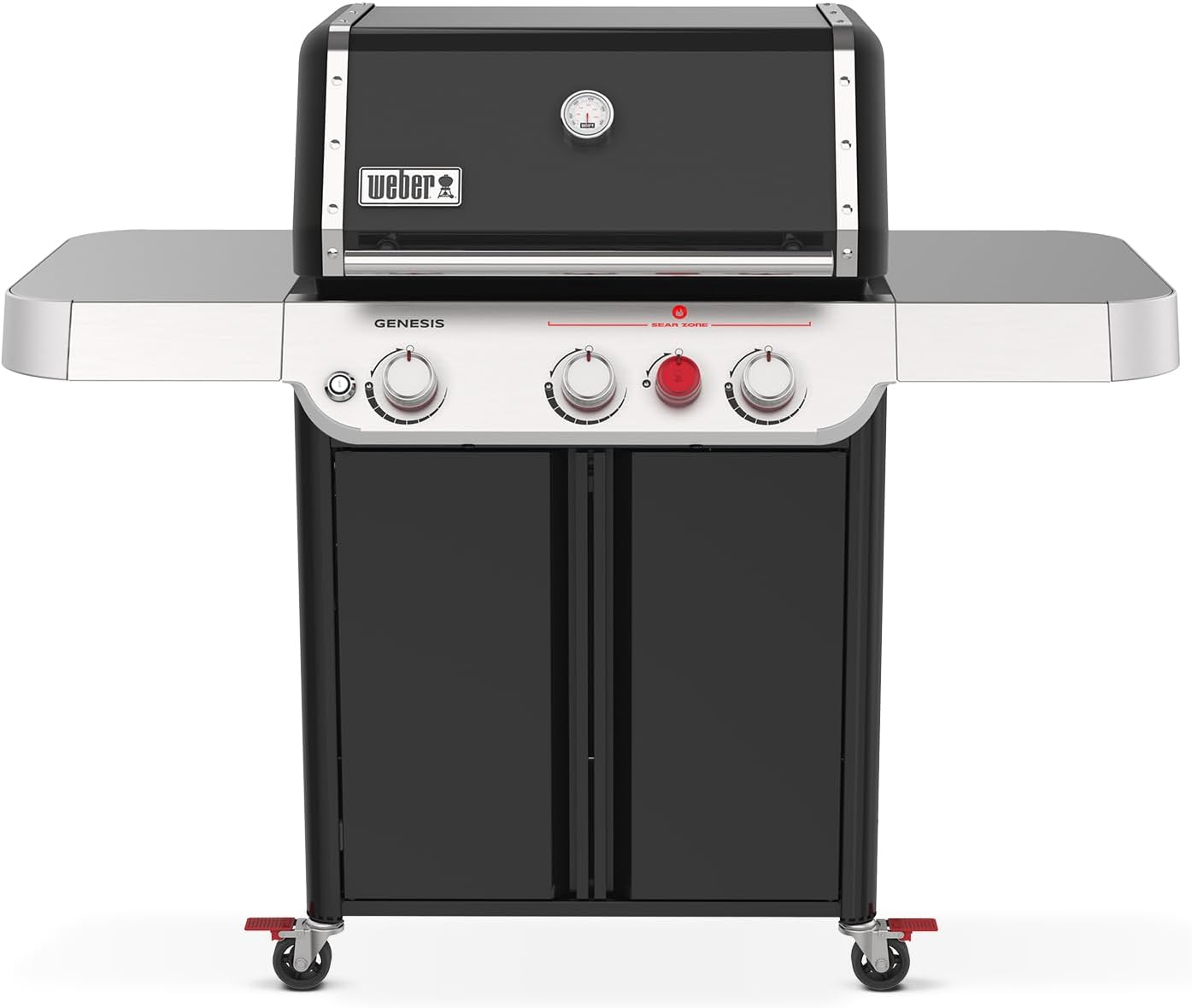
The Weber Genesis E-325s is what I'd buy today if I were starting over. Three burners, solid firebox, parts available everywhere. I've rebuilt my 8-year-old Genesis twice. Burners, grates, flavorizer bars. All available. All cheap. That's the value of a Weber. It's not that it never breaks. It's that you can fix it forever.
The Napoleon Rogue 425 is the alternative. The infrared sear burner is genuinely useful. It gets hotter than any standard burner I've tested, and it sears without the flare-ups. But it costs more than a comparable Weber. You're paying for that burner.
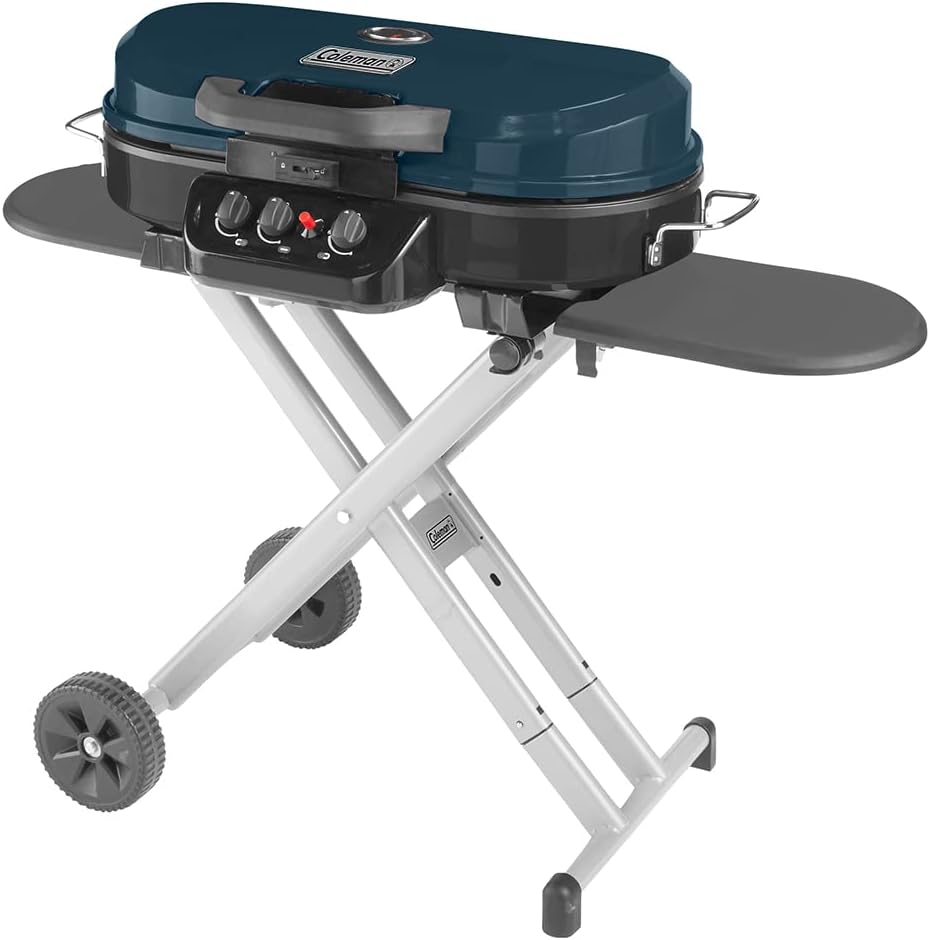
The Coleman RoadTrip LXE is a different animal. That's a portable grill for tailgating or camping. It'll cook a steak, but the burners are small and the heat is uneven. Fine for a parking lot. Not what I'd use at home.
Should You Buy It?
If you own a gas grill that works, the answer is no. Buy a good thermometer and use the grill you have. The technique matters more than the equipment. I've cooked competition-grade steaks on grills that cost less than a pair of shoes. The grill is a tool. The cook is the skill.
If you're buying your first grill or replacing a rust bucket, get a Weber. The Spirit II E-310 is the sweet spot. It's not cheap, but it's the cheapest grill that actually lasts. Do the math. A ~$200 Char-Broil that lasts 2 years is ~$0.27 per day. A ~$600 Weber that lasts 8 years is ~$0.21 per day. The cheap one isn't cheaper.
What I'm Testing Next
The weather's turning in the suburbs and I've got a line on the new Napoleon Rogue XT to see if the extra money buys anything real over the standard Rogue. Gus, my 70-pound lab, has already claimed his spot downwind. He's never been wrong about a steak.