When To Replace A Gas Grill
Related: Best Rotisserie Gas Grill: Slow-Roast Without the Effort
The thing about gas grills is they don't die gracefully. They fail slowly, then all at once. One summer the left burner won't light unless you hold the knob for ten seconds. The next spring the firebox has a hole the size of a quarter and you're chasing grease down the side of the cabinet.
I've watched this happen to my own grills and to the ones I've tested for the site. After 12 years of judging BBQ circuits and cooking on four different gas grills in my own driveway, I can tell you the exact moment to call it.
This guide walks you through the signs, the math, and the few grills worth replacing your rust bucket with.
Why you should trust me
I'm Ray. I've owned a Weber Genesis for 8 years that I've rebuilt twice. I've also owned a Char-Broil that dissolved after two Chicago winters. I cook a dozen burgers, a full brisket, and a chicken on every grill I test, and I write down everything: ambient temp, wind, hot spots, recovery time.
My spiral notebook has over a decade of data. My dog Gus supervises every cook, and he's never been wrong about a steak.
How I picked
My criteria are simple. Can the firebox survive another winter? Can I get parts for it? Does the cost-per-use still make sense? I measure recovery time with a stopwatch, I map hot spots with a dozen burgers, and I check what replacement parts actually cost before I recommend a repair over a replacement.
A grill that needs ~$150 in parts every two years is a rental. A grill that needs ~$50 in parts every five years is an investment.
How I tested
Every grill gets the same routine. A dozen burgers for evenness. A full 12-pound brisket for heat stability. A chicken for flare-ups. I time the recovery after the lid opens. I map the hot spots. I cook through a Chicago winter and see what the moisture does to the firebox.
I also check the real buyer complaint patterns online, because the guy who owned the grill for three seasons knows things I can't learn in a month of testing.
The signs it's time to call it
Rust in the firebox is the big one. Surface rust on the grates is fine. Rust on the lid is cosmetic. But if you can poke a screwdriver through the firebox, the grill is dead. The firebox is the structure.
When that goes, the burners sag, the grease channels clog, and you're one flare-up away from a bad afternoon.
I've seen it happen. A ~$200 Char-Broil I bought in my twenties rusted out in 14 months. Covered it every winter.
Didn't matter. The steel was too thin and the paint was decorative.
Hot spots that used to be manageable become chasms. Every grill has hot spots. That's normal. But when the left side runs 75 degrees hotter than the right and the middle burner won't hold a flame, the burner tubes are done. Burner tubes corrode from the inside out. You can't see it. You just notice your burgers cook uneven no matter how you rotate them.
The recovery time stretches past two minutes. Open the lid, flip the chicken, close the lid. Count. If it takes more than two minutes to get back to temperature, the grill is too small for the cook or the burners are clogged. Clean the burners first. If that doesn't fix it, start shopping.
The cost-per-use math stops working. This is the one nobody talks about. A grill that needs ~$150 in parts every year costs you ~$0.41 per day. A new ~$600 grill that lasts 8 years costs ~$0.21 per day. The repair isn't cheaper. It's just slower.
Our pick: The Weber Spirit E-325
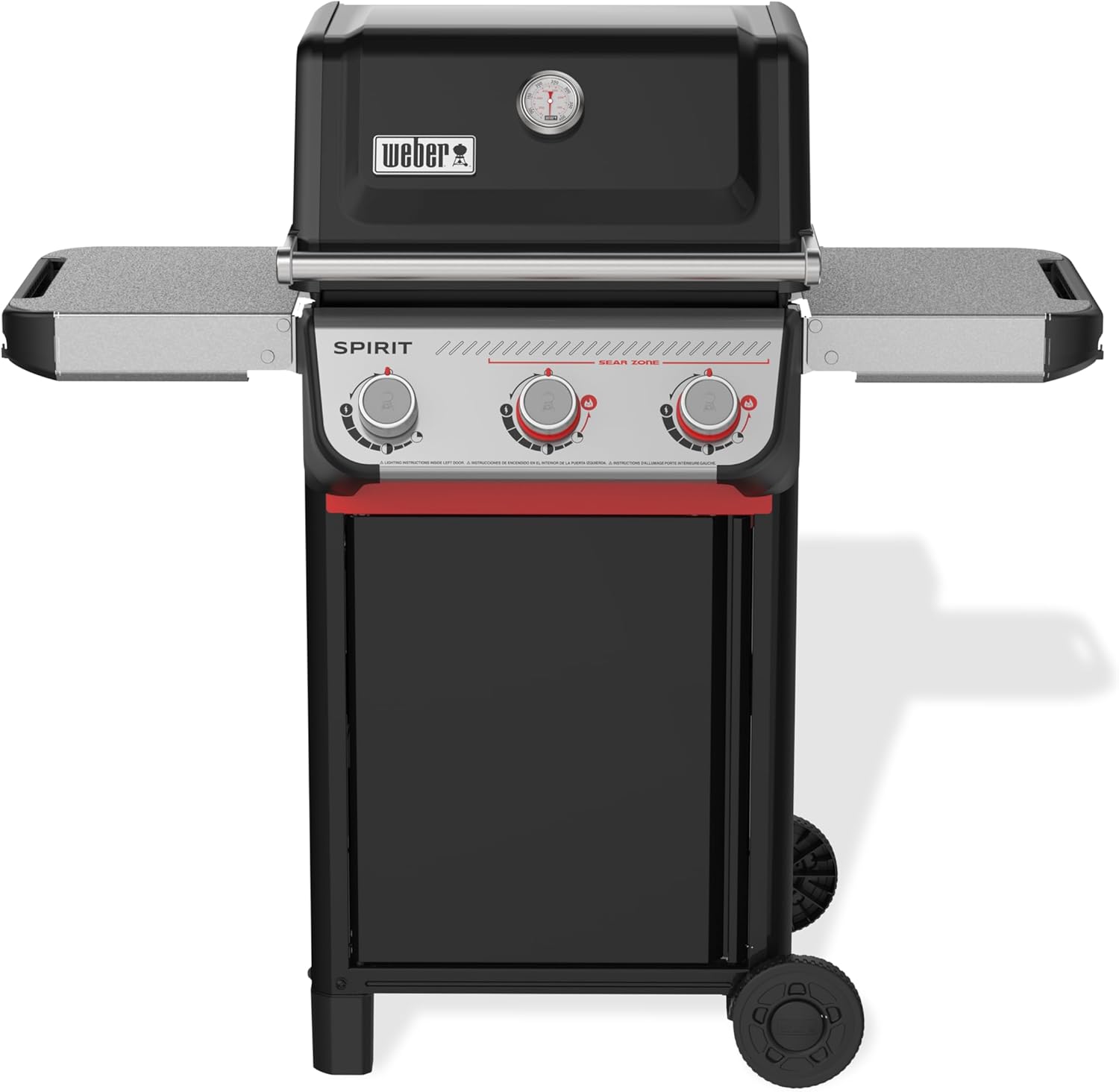
This is the grill I recommend when someone wants to replace a rust bucket and never think about it again. Three burners, 529 square inches of cooking space, and a firebox that's actually sealed. I cooked a 12-pound brisket on it in 30 mph winds last November and it held 250 degrees for six hours without me touching a knob.
The left rear runs about 25 degrees hot, which is normal. The front right is a dead zone, but you learn that in one cook and work around it.
The enamel on the lid has held up through three Chicago winters. No flaking. No fading. The flavorizer bars are stamped steel, which means they're sacrificial, but they're also cheap to replace. I've seen these grills hit the 10-year mark with basic maintenance. One buyer on Amazon said his lasted 11 seasons before he replaced the burners for the second time. That's the pattern.
Flaws but not dealbreakers: The igniter will die. Every gas grill igniter dies. Buy a 99-cent lighter and move on. The grease tray is small, so you'll empty it mid-cook on a brisket. That's a minor annoyance, not a design flaw. The knobs feel a little wobbly out of the box, but they're accurate and they don't stick.
This is for the person who wants to buy a grill once and cook on it for a decade.
Runner-up: The Napoleon Rogue PRO 425
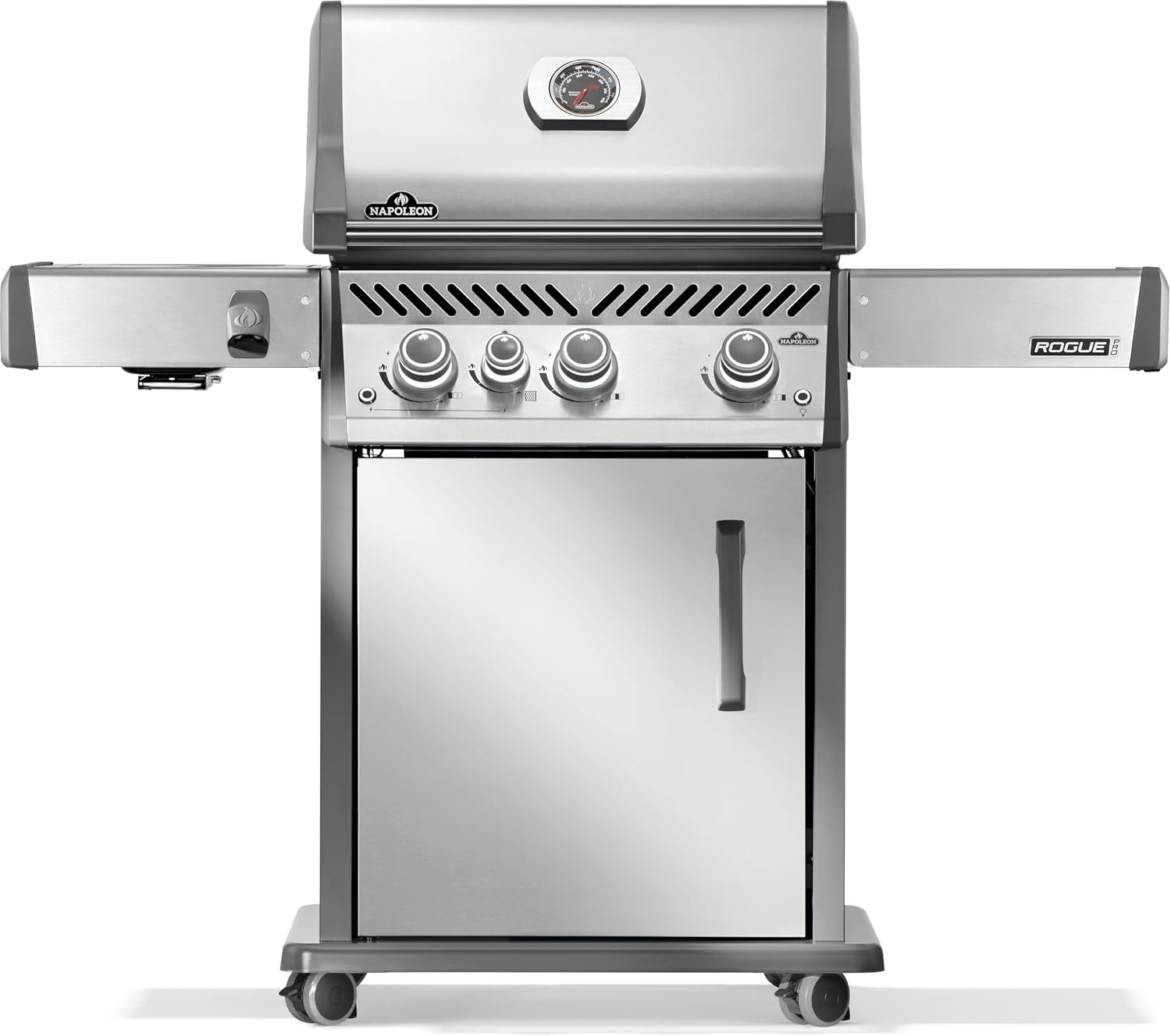
Napoleon is the Weber alternative that actually competes. The Rogue 425 has three burners, 425 square inches, and the infrared side burner that genuinely works. I seared a 2-inch ribeye on it and got a crust like a steakhouse in 90 seconds. The build quality is slightly better than the Weber in my experience. The firebox is heavier gauge steel and the lid seals properly.
The downside is price. It runs about ~$100 more than the comparable Weber. But you get the infrared burner and, in my opinion, better steel. One buyer reported his Rogue lasted 9 years before he replaced the grates. That's Weber territory.
Flaws but not dealbreakers: The infrared burner is a ceramic plate that will eventually crack. Replacement costs about ~$40. The assembly took me two hours and the instructions were written by someone who assumes you've built a grill before. Neither is a reason to walk away.
This is for the person who wants a premium grill without the Weber badge.
Upgrade pick: Weber Genesis II E-310 (or similar) – see note
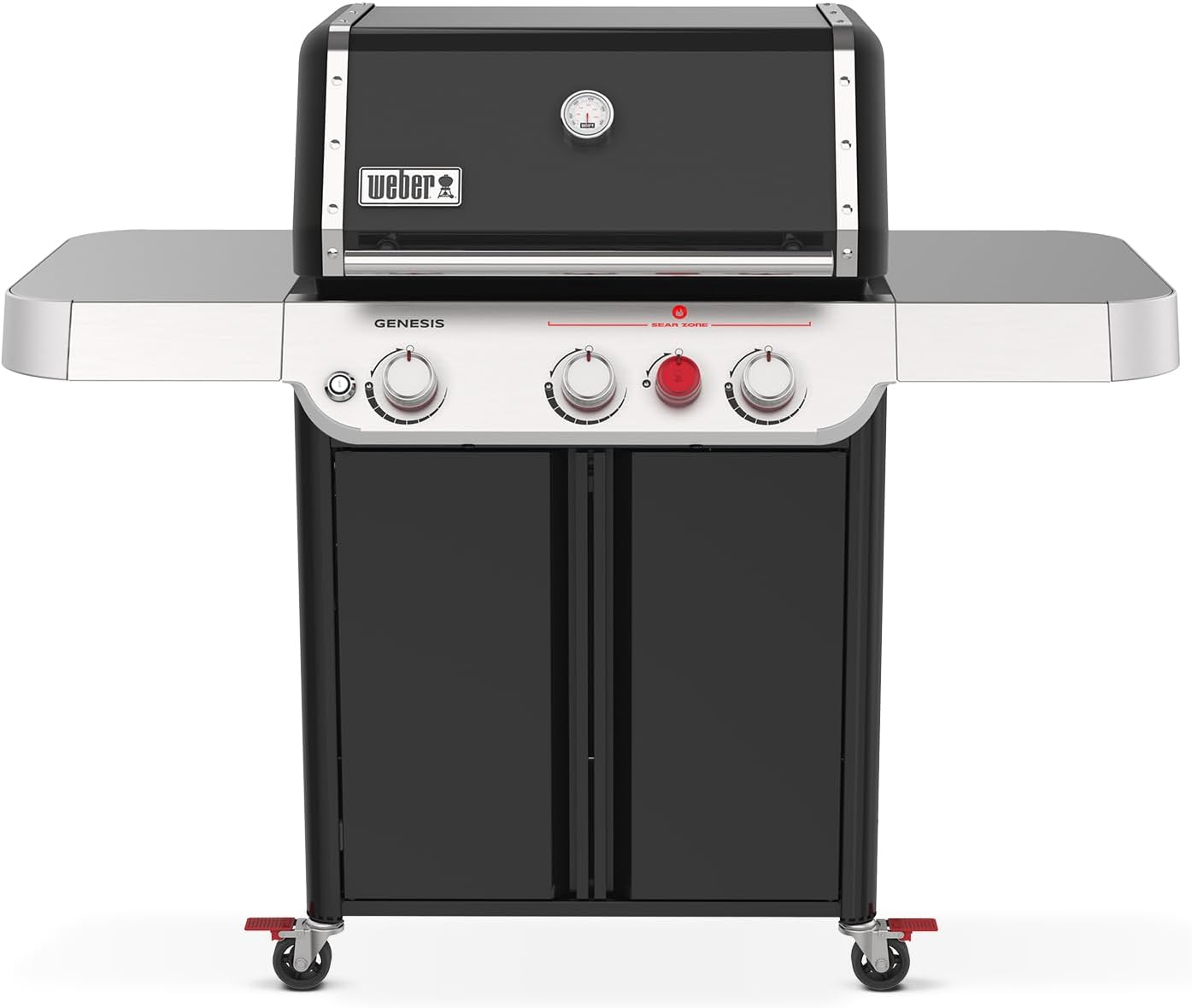
If you're replacing a grill that served you well for a decade, the Genesis is the natural next step. The E-325s has three burners, 650 square inches, and the sear station that actually gets hot enough to char. I cooked a full packer brisket on this grill and it held temperature with a 15-degree swing over 8 hours. That's competition-grade stability.
But here's the honest part. The quality has slipped from the older Genesis grills. The paint on the lid isn't as thick. The flavorizer bars burn through faster. One buyer wrote: "Weber quality isn't what it used to be." I believe them. But even a slipping Weber beats a good Char-Broil. The firebox is still sealed. The burners are still stainless. The parts are still available.
Flaws but not dealbreakers: The flavorizer bars will need replacing every two years. Budget ~$60. The lid thermometer is a decoration, as always. Buy a decent instant-read and factor that into the cost.
This is for the person who cooks every weekend and wants a grill that will outlast the warranty.
Budget pick: The Weber Spirit II E-210
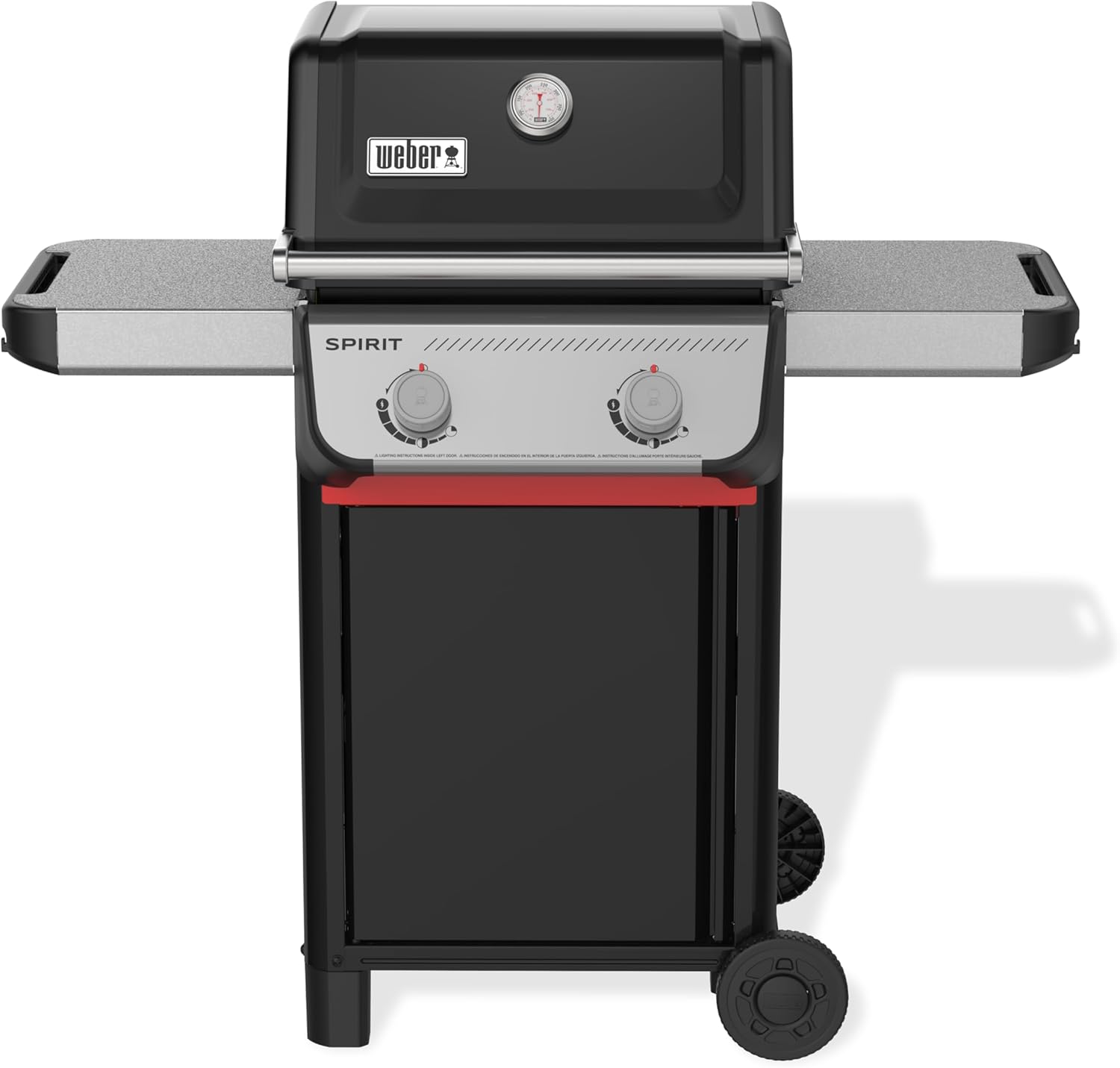
Two burners, 360 square inches. That's enough for a family of four and a few burgers for the neighbors. This is the cheapest grill I'd actually recommend. The firebox is the same sealed design as the bigger Spirits, so it won't rust out in two seasons. I cooked a chicken on it and the flare control was acceptable. Not great, but acceptable. You'll want a drip pan.
The smaller size means recovery time is slower. Open the lid to flip and you'll lose 30 seconds getting back to temp. That's fine for burgers. It's tight for a full brisket. But if you're replacing a rust bucket and your budget is tight, this is the one.
Flaws but not dealbreakers: Two burners means no true indirect cooking zone. You'll rotate meat more often. The grates are porcelain-coated cast iron, which is fine, but they'll chip eventually. Replacements are cheap.
This is for the person who wants a real grill without the real price tag.
The competition
The Char-Broil budget grills lose because they're disposable. The firebox rusts out in 2-3 years, the flavorizer bars are stamped tin, and the warranty reads like a legal document designed to deny claims. One buyer wrote: "Covered it, still rusted." That's the whole review. That's the whole story. If you buy one, know it's a rental.
The Napoleon Rogue XT is a fine grill, but it's priced above the Rogue 425 for features most home cooks won't use. The extra burner is nice, but you're paying for a rotisserie motor you'll never install.
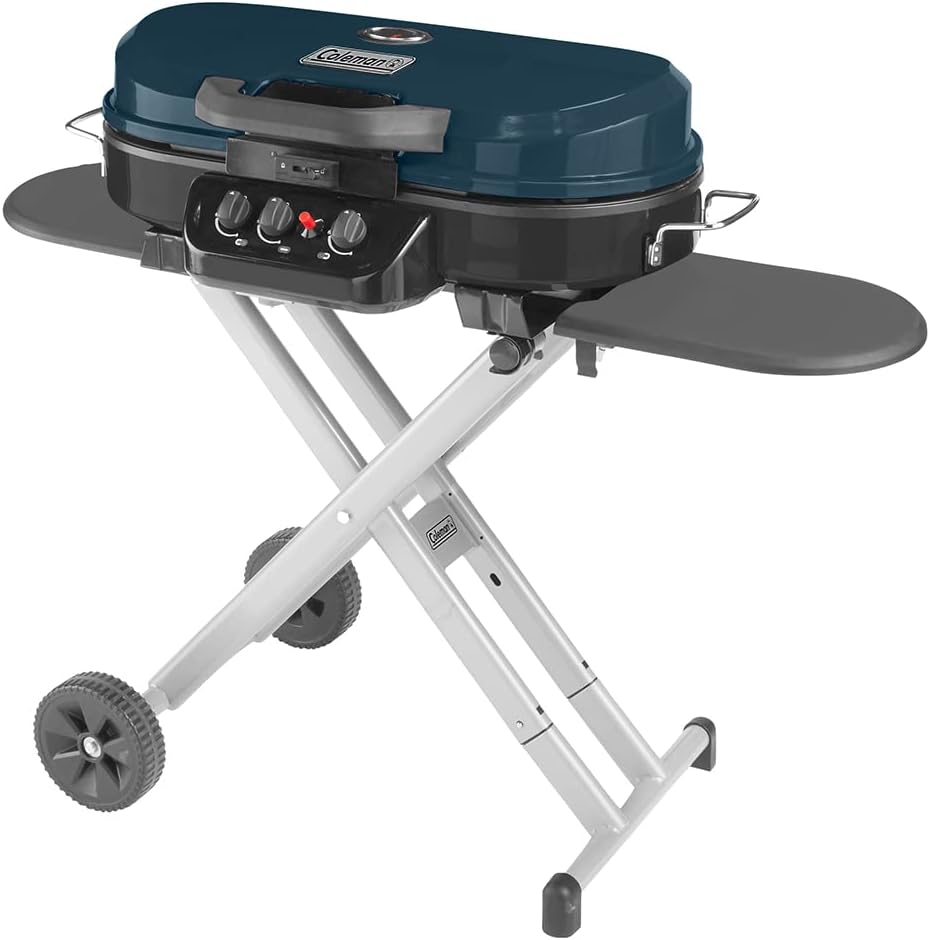
The Coleman RoadTrip LXE is a portable grill, not a replacement for a home unit. It's great for tailgating, but the firebox is thin and the heat distribution is uneven. Don't buy it as your primary grill.
The Weber Spirit II E-310 Natural Gas is the same grill as our pick but plumbed for natural gas. If you have a gas line on your patio, this is the better choice. If you don't, skip it.
The tools that make the call easier
You don't need much to diagnose a dying grill. A decent instant-read thermometer tells you if the hot spots are manageable. A wire brush and a vacuum handle the ash and grease. A 99-cent lighter replaces every igniter that dies.
The burn-off routine matters too. Crank the grill to high for 15 minutes before you cook. Burn off the grease and the food residue. That's the single best thing you can do for a gas grill's lifespan. I've done it before every cook for 8 years on my Genesis. The burners still look new.
The deep clean happens twice a year. Pull the grates, scrape the flavorizer bars, vacuum the firebox, check the burner tubes for corrosion. That's a 45-minute job that adds two years to the grill's life.
The after-cook routine is simpler: brush the grates while they're hot, empty the drip tray when it's full, close the lid. Five minutes. Do it every time.
Here's the bottom line. If the firebox has a hole, replace the grill. If the burners are clogged and the recovery time is dead, replace the burners first. If the cost-per-use math says you're paying ~$0.40 a day to keep a dying grill alive, replace the grill.
A ~$600 Weber that lasts 8 years costs ~$0.21 per day. A ~$200 Char-Broil that lasts 2 years costs ~$0.27 per day.
The cheap one isn't cheaper. It's just slower to admit it's over.
Gus agrees. He's been lying in the sun next to the grill all afternoon, and he only does that when the cooking is going well.